Why your Psychology Today profile isn't ranking
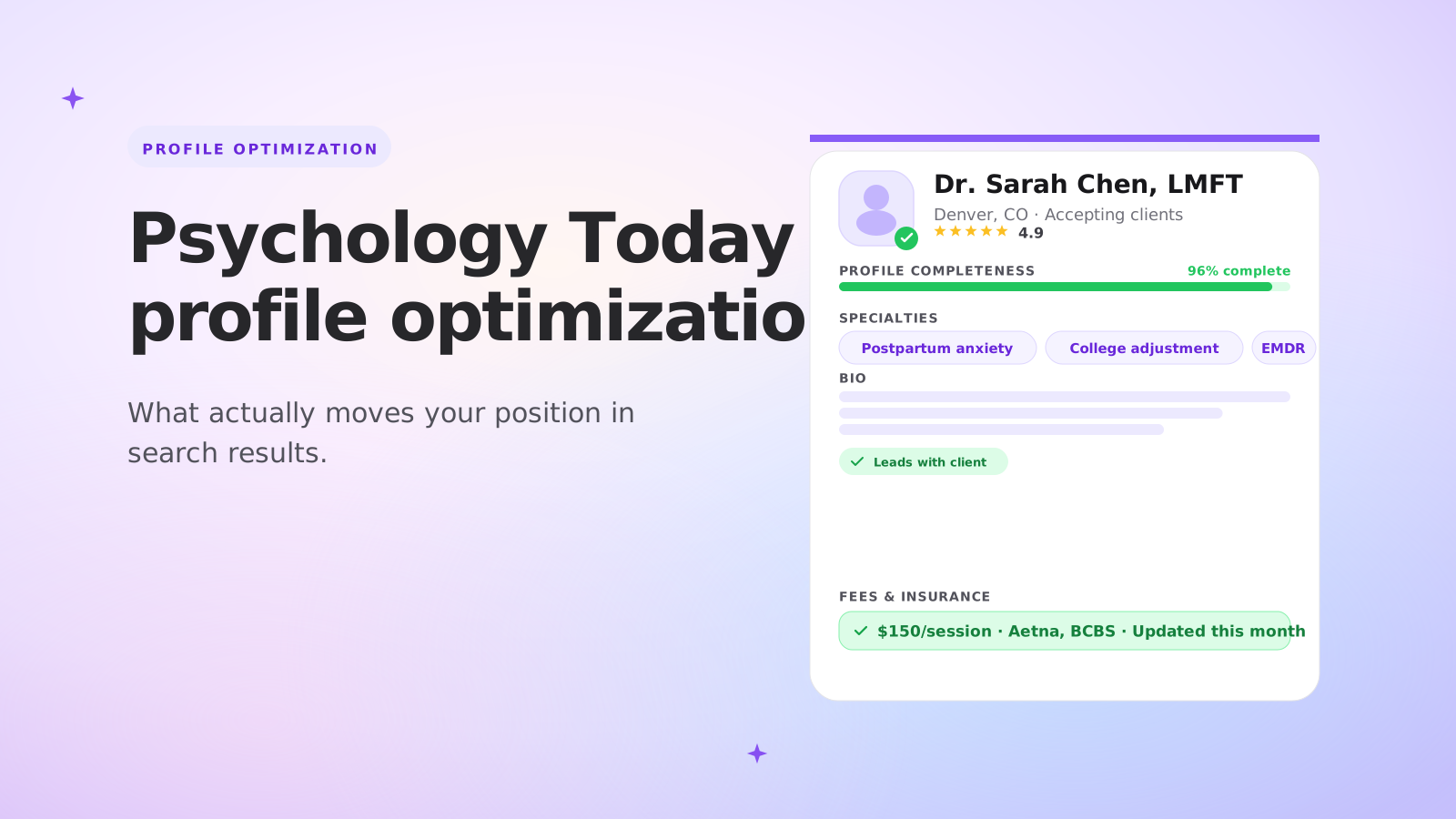
Having a Psychology Today profile isn't the same as being found on it. Position in the search results, and how complete and specific your profile is once someone clicks through, are what actually determine whether a prospective client reaches out or scrolls past you.
Psychology Today profile optimization means completing every section fully, naming your specialties specifically instead of broadly, and keeping your bio, fees, and availability current. None of it requires paying for a higher tier. It requires specificity and upkeep.
TL;DR
- Position depends on completeness and specificity, not just how long you've had a listing.
- Name specific specialties ("postpartum anxiety") instead of broad ones ("anxiety").
- Lead your bio with who you help, not your credentials.
- Keep fees, insurance, and availability accurate. Outdated info hurts both position and trust.
- Never solicit client testimonials. Lean on professional endorsements instead.
What determines your position in Psychology Today search results?
Psychology Today doesn't publish its exact algorithm, but the pattern therapists and SEO practitioners consistently report is this: position tracks with how complete your profile is and how specifically it matches what a searcher filtered for, more than with how long you've had a listing or how much you pay. A profile with every section filled out, specific enough to match a narrow filter (a specialty, an issue, an approach), consistently outperforms a vague, partially-completed one, regardless of tenure.
This means the fastest way to move your position is rarely to wait it out. It's to go back through your profile and fill in what's missing or vague. It's worth doing alongside the broader basics in our SEO checklist for therapists, since a profile and a website reinforce each other.
Steps to optimize your Psychology Today profile
.svg)
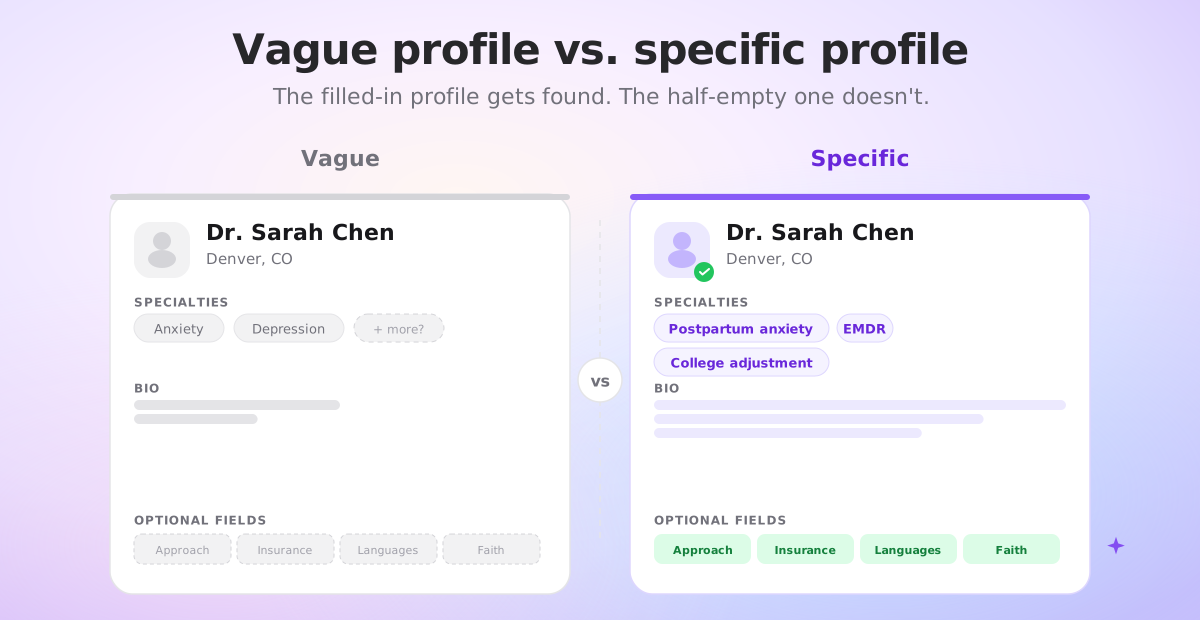
- Complete every section, not just the required fields. Optional fields (approach, issues, faith, languages) are filtering criteria. Leaving them blank removes you from searches where you'd otherwise match.
- Name specific specialties instead of broad categories. "Postpartum anxiety" or "college student adjustment" matches narrower, less competitive searches than "anxiety" alone, and signals genuine expertise to the client reading it.
- Write a bio that leads with who you help, not your credentials. Credentials matter, but a prospective client scanning bios is looking for themselves in the first sentence. Open with the client and the problem, then bring in your training and approach.
- Use a genuine, current photo. A recent, approachable photo consistently outperforms an old headshot or a graduation photo. This is a completeness and trust signal as much as an aesthetic one.
- Keep fees, insurance, and availability accurate and current. An outdated "accepting new clients" status or a stale fee is one of the most common reasons a good-fit inquiry never happens. Review this monthly if your caseload changes often.
- Add professional endorsements instead of client testimonials. Therapists cannot ethically solicit client testimonials under the APA Ethical Principles of Psychologists and Code of Conduct, and similar restrictions apply under ACA guidelines. Peer endorsements, credentials, and specialty certifications are the ethical alternative that still builds trust.
How long should a therapist bio be?
For a Psychology Today profile, aim for 200 to 350 words. For a website About page, a similar range works well. For social media, one to two sentences is usually enough.
The right length depends on where the bio lives, but shorter and more specific consistently outperforms longer and more general. A 250-word bio that clearly names who you help and how beats a 500-word bio that reads like a resume.
Writing and revisiting a bio takes real focus, and it's easy to let it go stale for years. If you're also weighing the broader tech stack behind your practice, our guide to the best EHR for private practice is a useful next read. If documentation and admin work are what's crowding out time to update it, Upheal supports solo providers and group practices with AI-assisted notes built to give some of that time back.
Frequently asked questions
How often should I update my Psychology Today profile?
Review it at least quarterly, and update it immediately whenever your specialties, fees, insurance panels, or availability change. Stale information is one of the most common reasons a good-fit inquiry doesn't convert.
Does paying for a higher Psychology Today tier improve my position?
Psychology Today doesn't publish its ranking criteria, but tier level appears to affect which features you can use more than it affects position directly. Completeness and specificity are the factors most consistently linked to a stronger position, on any tier.
Can I use client testimonials on my Psychology Today profile?
You shouldn't solicit them. APA and ACA codes prohibit soliciting testimonials from current or former clients who could be vulnerable to undue influence, and using one still requires the client's informed consent. Professional endorsements, credentials, and specialty certifications are the simpler, ethical alternative.
What's the biggest mistake therapists make on their Psychology Today profile?
Leaving optional fields blank and writing a bio that leads with credentials instead of the client's problem. Both make it harder for the right client to recognize themselves in your profile.
The bigger picture
Psychology Today profile optimization isn't a one-time setup task, it's an ongoing habit: keep it complete, keep it specific, and keep it current. None of it requires a marketing background or a higher-tier subscription.
What it does require is time to sit down and actually do it. If admin work is what's in the way, try Upheal free and see what AI-assisted documentation gives back to your week.