
What is trauma-informed therapy: a therapist's guide
A client sits down for an intake and, halfway through the history, you realize the presenting problem (anxiety, insomnia, relationship conflict) sits on top of something much older. You know you need to work from a trauma-informed lens. But 'trauma-informed' gets used so loosely, as a philosophy, a modality, a marketing word, that it's worth pinning down exactly what it means and what it asks of you as a clinician.
TL;DR
- Trauma-informed therapy is an approach, not a specific modality: it means recognizing the widespread impact of trauma and actively avoiding re-traumatization at every step of care.
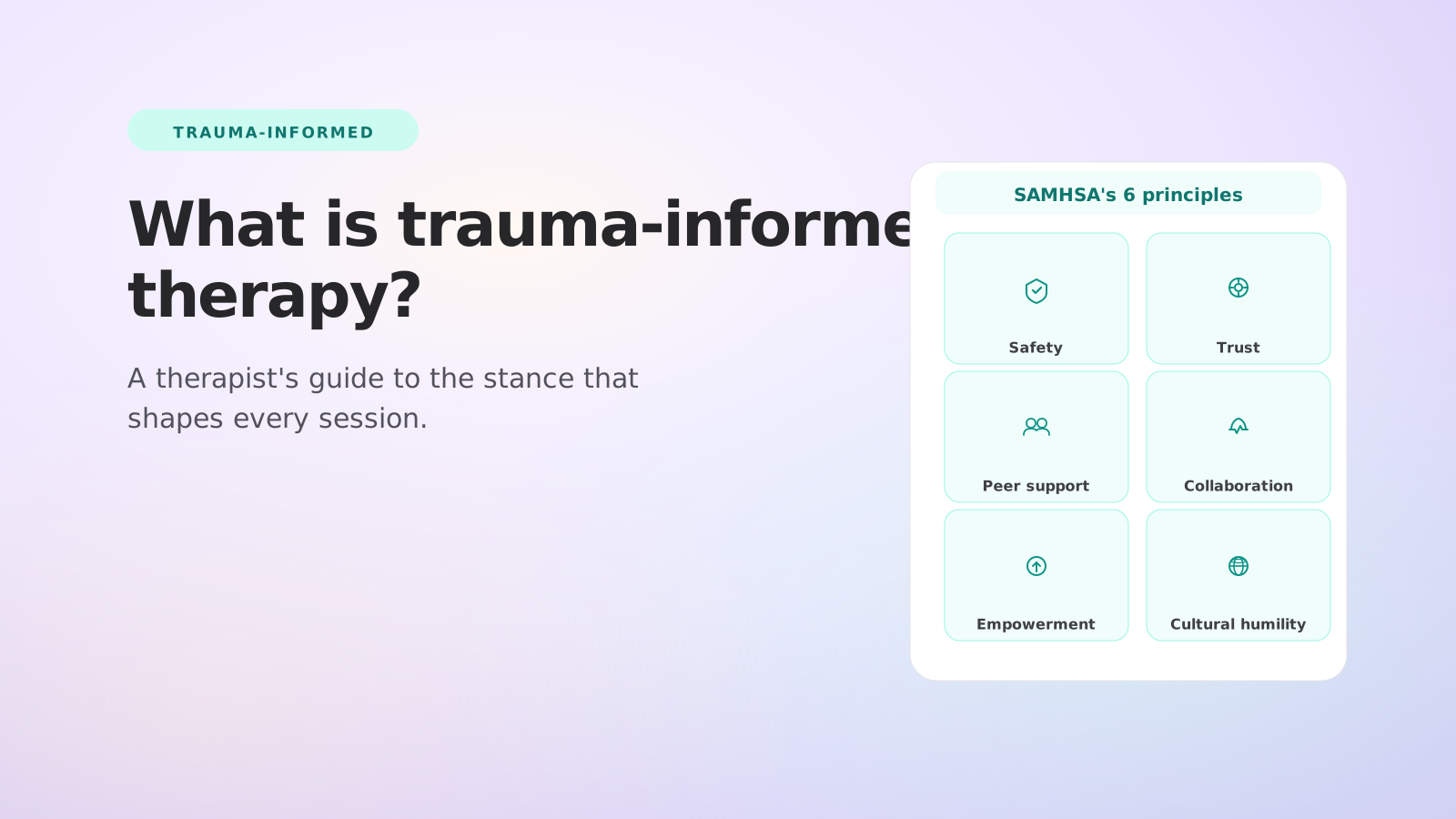
- SAMHSA defines six core principles: safety, trustworthiness, peer support, collaboration, empowerment, and cultural humility.
- Trauma-informed is different from trauma-focused: informed is a stance you bring to any modality, focused means the treatment directly targets trauma symptoms (EMDR, TF-CBT, and similar).
- You don't need a special certification to be trauma-informed, but you do need training if you're delivering trauma-focused interventions.
- Documenting a trauma-informed rationale consistently, not just once at intake, is what keeps the clinical thread defensible over time.
What is trauma-informed therapy?
Trauma-informed therapy is an approach to care that recognizes how common trauma is, understands its wide-ranging effects on a client's nervous system and behavior, and actively structures every part of treatment (from intake paperwork to pacing to the physical space) to avoid re-traumatizing the person in front of you. It's a stance you bring to the work, not a single technique you apply.
That distinction matters because it means trauma-informed care isn't reserved for clients with a formal trauma diagnosis. A trauma-informed therapist assumes that many clients, whether or not trauma is the presenting problem, have a trauma history that shapes how they respond to authority, disclosure, touch, and pace.
What are the core principles of trauma-informed care?

The Substance Abuse and Mental Health Services Administration (SAMHSA) defines six principles that anchor trauma-informed practice across any setting, not just therapy offices:
- Safety. Clients and staff feel physically and psychologically safe throughout every interaction.
- Trustworthiness and transparency. Decisions are made with clarity and consistency, so clients know what to expect and why.
- Peer support. Shared experience, whether through group work or peer specialists, is treated as a legitimate source of healing.
- Collaboration and mutuality. Power differences between clinician and client are leveled wherever possible; treatment planning is done with the client, not to them.
- Empowerment, voice, and choice. Client strengths and self-determination are centered, and clients are given real choices about their care.
- Cultural, historical, and gender considerations. Practice actively addresses historical trauma and cultural, racial, and gender bias rather than treating them as add-ons.
Read more at: SAMHSA's Trauma-Informed Care in Behavioral Health Services.
How is trauma-informed therapy different from trauma-focused therapy?
Trauma-informed therapy is a stance that applies across any type of care, while trauma-focused therapy is a set of specific modalities designed to directly treat trauma symptoms. You can be trauma-informed in a couples session, an intake call, or a group for eating disorders. Trauma-focused therapy, by contrast, refers to modalities like EMDR, TF-CBT, or Prolonged Exposure, which are built specifically to process traumatic memories and reduce PTSD symptoms.
In practice, this means every clinician can and should be trauma-informed, but not every clinician needs to be trained in a trauma-focused modality. A trauma-informed generalist knows when to refer to a trauma-focused specialist rather than attempting to treat complex trauma symptoms outside their scope.
What does trauma-informed therapy look like in a session?
Trauma-informed care shows up in specific, observable choices, not abstract philosophy. A few examples:
- Explaining what will happen in a session before it happens, especially anything involving physical proximity, touch, or unusual pacing.
- Offering real choices (we can start with what feels most pressing, or work chronologically, whichever helps you feel more in control) instead of a fixed script.
- Watching for signs of dysregulation (shallow breathing, dissociation, shutting down) and slowing down or grounding before pushing further.
- Asking permission before probing deeper into a disclosure rather than assuming the client is ready to go there.
- Keeping intake paperwork and questions as non-retraumatizing as possible, explaining why sensitive questions are being asked.
Which modalities count as trauma-informed?
Any modality can be delivered in a trauma-informed way, but some are specifically designed around trauma processing. Common trauma-focused modalities include EMDR (Eye Movement Desensitization and Reprocessing), Trauma-Focused CBT, Prolonged Exposure, and somatic approaches like Somatic Experiencing. A trauma informed therapist doesn't need to specialize in all of these, but should know enough about each to make an appropriate referral.
For adults specifically, trauma therapy often blends a trauma-informed stance with one of these focused modalities, since adult clients frequently present with complex or developmental trauma rather than a single identifiable incident.
How do you document trauma-informed care without losing the thread?
The hardest part of trauma-informed practice isn't the stance in the room, it's keeping that stance visible in your notes over months of treatment. A single intake note that says trauma history noted, will proceed with trauma-informed approach doesn't hold up if a note six sessions later shows no connection back to that rationale.
What actually protects both the client and the clinician is a documentation habit where each note traces back to the treatment plan and the original clinical reasoning, session after session. Upheal's Golden Thread feature is built around exactly this: it keeps the diagnosis, treatment goals, interventions, and each session's progress connected, so a trauma-informed rationale set at intake is still visible and defensible in session twelve. For the broader documentation picture, Upheal's documentation hub covers how this works across note types.
Common mistakes therapists make with trauma-informed approaches
- Treating trauma-informed as a one-time intake label instead of an ongoing stance that shows up in pacing, language, and documentation every session.
- Assuming trauma-informed and trauma-focused are the same thing, which leads either to under-referring clients who need a focused modality, or to attempting trauma processing without the right training.
- Skipping the collaboration piece. Trauma-informed care that doesn't give the client real choices is trauma-informed in name only.
- Losing the clinical thread in notes. Without a documentation system that connects sessions back to the original rationale, the trauma-informed approach becomes invisible on paper, which matters for both continuity of care and insurance review.
Frequently asked questions
What is the difference between trauma-informed and trauma-focused therapy?
Trauma-informed is a stance applied across any type of care, while trauma-focused refers to specific modalities designed to directly treat trauma symptoms. A trauma-informed therapist structures the whole therapeutic relationship (pacing, language, choice) around avoiding re-traumatization, while a trauma-focused therapist is trained in a specific protocol like EMDR or TF-CBT to process traumatic memories directly.
What are SAMHSA's six principles of trauma-informed care?
SAMHSA's six principles are safety, trustworthiness and transparency, peer support, collaboration and mutuality, empowerment and choice, and cultural, historical, and gender considerations. These principles apply across any care setting, not just therapy offices, and are meant to structure how an organization or clinician interacts with someone who may have a trauma history.
Do you need a special certification to practice trauma-informed therapy?
No, trauma-informed therapy is a stance any licensed clinician can adopt without a separate certification. Certification and specialized training become necessary only when delivering trauma-focused modalities like EMDR or TF-CBT, which require formal training to practice safely and effectively.
The bigger picture
Trauma-informed therapy isn't a checkbox you complete once at intake. It's a stance that has to show up consistently: in how you pace a session, in the choices you offer, and in whether your notes still reflect that rationale ten sessions later. The clinical thinking is yours. What often breaks down is the paperwork that's supposed to carry it forward.

.webp)